
Blog
Stabilizer for Laparoscopic Equipment

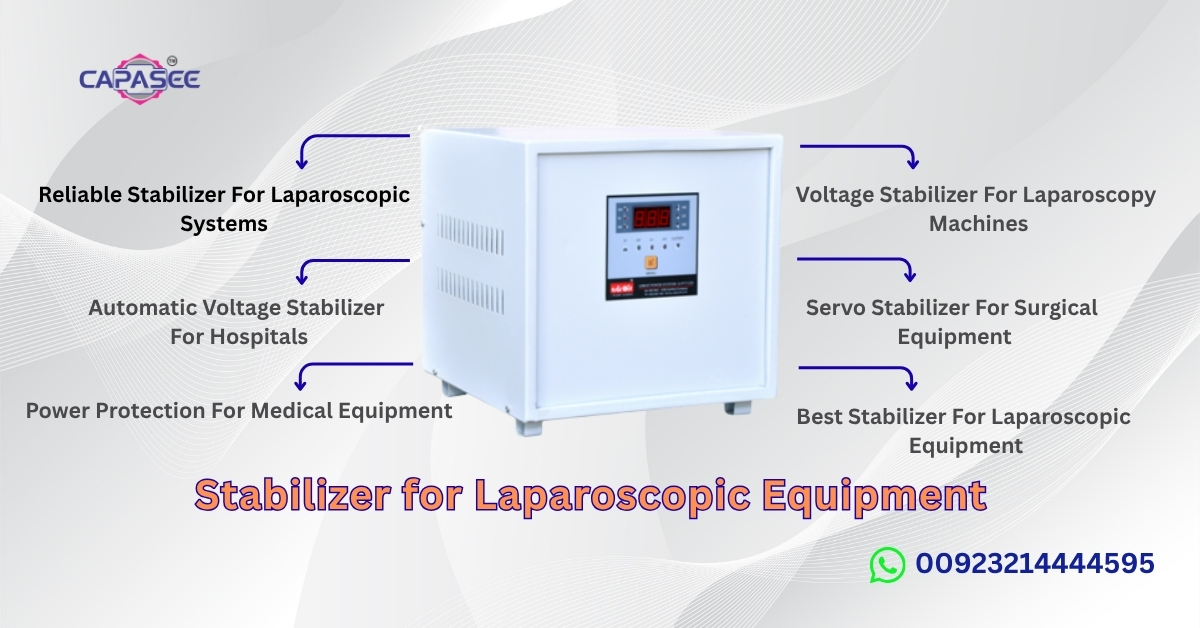
Shaky hands while performing laparoscopy are not simply an inconvenience but a patient safety concern. This is a common occurrence faced by surgeons in high volume operating theatres in Pakistan, where instrument shivering, camera shaking, and unpredictable visualization can make surgery more time consuming and less accurate. This is where the stabilizer for laparoscopic equipment is a game changer. Minimally invasive surgery is growing at an unprecedented rate in both private hospitals and public health institutions in Pakistan, making the need for dependable stabilization solutions more critical than ever.
If you are a surgical equipment buyer considering your next procurement, or a biomedical engineer discussing this technology with your hospital, this article breaks it down for you. Whether you’re considering your next surgical equipment purchase or you’re a biomedical engineer talking to your hospital about this technology, it’s up to you to decide which to use and why you should trust Capasee Electro Medical Engineering for this technology in Pakistan.
Why Laparoscopic Equipment Needs a Voltage Stabilizer in Pakistan
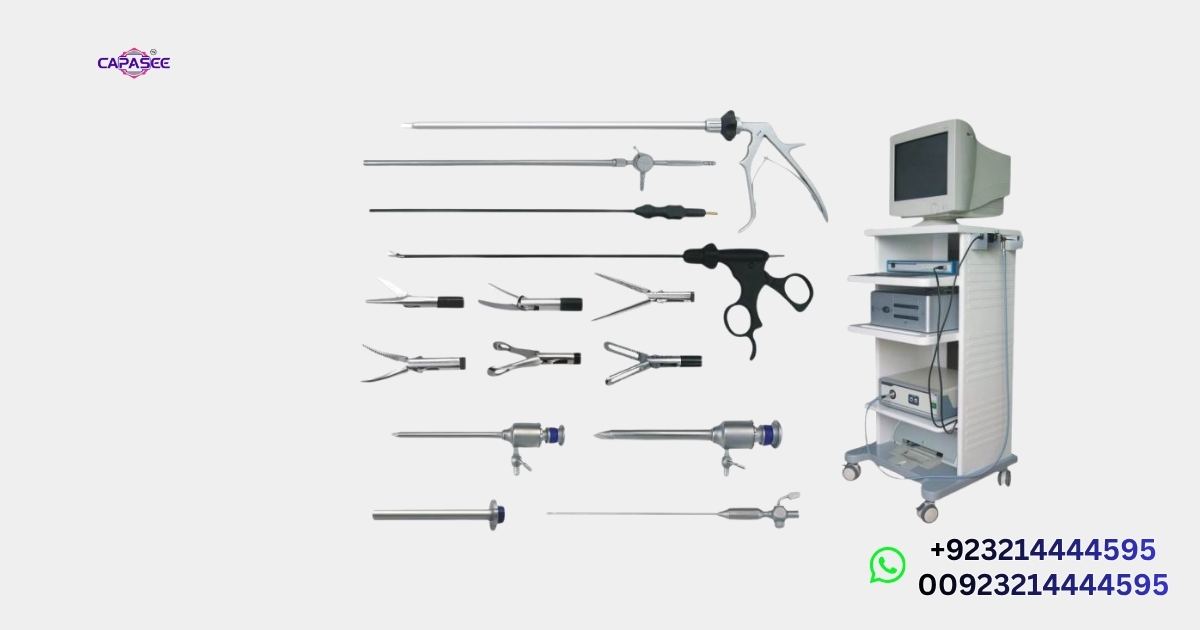
One of the most neglected risks faced by the lab equipment in Pakistani hospitals is an unstable power source. It’s not a rare occurrence here, but voltage fluctuations happen several times a day in cities such as Karachi, Lahore, and Peshawar, and in the case of sensitive surgical instruments, they can be hazardous. Those hospitals that overlook this issue are likely to experience unplanned equipment failure, expensive repairs, and, most seriously, poor surgical results.
Precision electronic devices are laparoscopic towers, cameras and light sources. They are intended to work within a limited voltage range, and when voltage levels stray just outside of that range, components within them become stressed over time. A stabilizer for laparoscopic equipment is the initial line of defence and makes sure that all devices in your surgical setup are receiving clean, regulated power at all times.
How Voltage Fluctuations Damage Laparoscopic Towers and Cameras
Inside the laparoscopic camera and light source are sensitive circuit boards that are highly susceptible to voltage fluctuation. Sudden voltage drop or a voltage that exceeds safe limits causes the internal processors to overheat, capacitors to degrade, and image sensors to lose calibration accuracy. Million rupee equipment can go faulty in a few months without any protection.
Let’s take a real life example; one private surgical centre in Lahore claimed that its laparoscope system needed a lot of repair only 14 months after installation. It was determined by the biomedical team that repeated voltage spikes from an unregulated hospital power line were the root cause. The same equipment was used for more than two years after the installation of a medical grade stabilizer for laparoscopic equipment by Capasee.
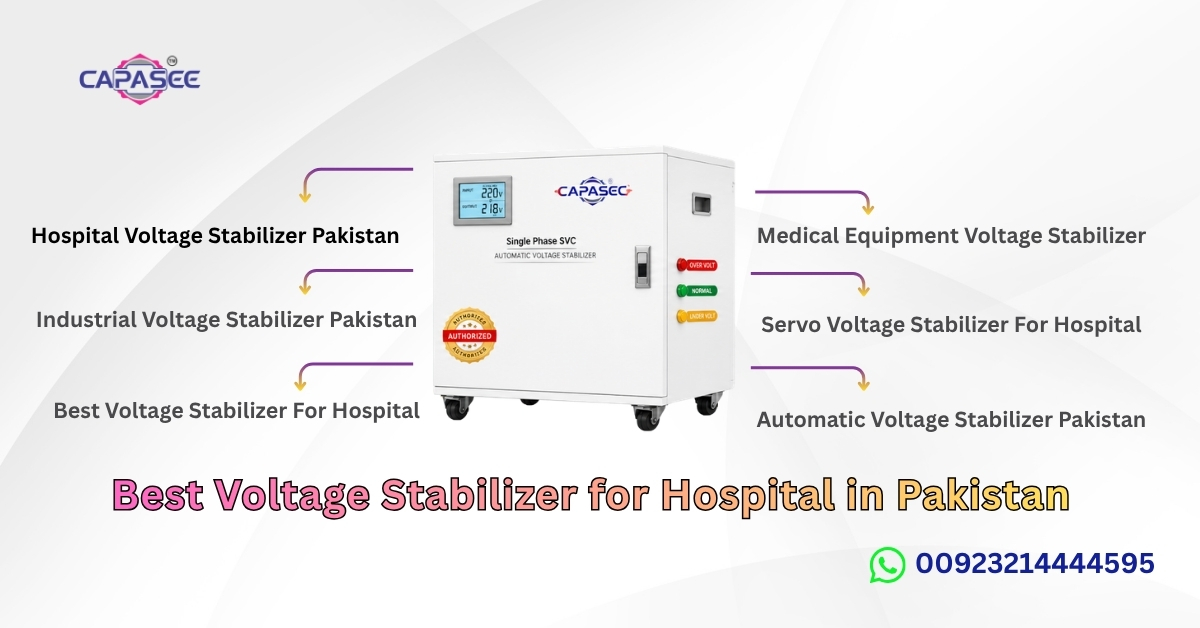
You May Also Read This Blog: Best Voltage Stabilizer for Hospital in Pakistan
Temperature Instability and Power Surges in Pakistani Hospitals
In Pakistan, power surges are generally associated with load shedding and power switching due to seasonal fluctuations in demand, particularly during the summer season. These surges create transient voltage spikes which exceed the ability of standard fuses to protect and feed straight into connected equipment. Lap scope insufflators or video processors can be irreparably damaged by one uncontrolled surge.
This is made worse by variations in temperature. Many public hospitals and smaller clinics do not have regular air conditioning, so the equipment that already had to deal with the power instability is additionally affected by high ambient temperature. Capasee stabilizers are designed with thermal compensation to make sure that the output voltage remains stable even if there is a considerable increase in the ambient temperature, beyond the normal operating range.
Key Features to Look for in a Stabilizer for Laparoscopic Equipment
Not all voltage stabilizers will be appropriate for laparoscopic systems. To meet the high standards of medical equipment, the stabilizer must possess extremely high response speed, high voltage accuracy, no noise and overload protection. The use of the wrong stabilizer is almost as dangerous as not using any stabilizer.
In comparing general purpose stabilizers with units specifically made for medical use, buyers in Pakistan will look at various factors. It makes a huge difference in performance, and the savings made in the beginning are outweighed by the long term expense of using an underpowered stabilizer. Capasee Electro Medical Engineering offers stabilizers conforming to international standards for medical equipment protection, which have been tested in the Pakistani hospital environment.
Essential Specifications: Capacity, Response Time and Accuracy
The three most important specifications to consider when choosing a stabilizer for laparoscopic equipment are the load capacity (KVA), voltage correction response time (measured in milliseconds) and output voltage accuracy (measured as a percentage). No matter how high the KVA rating, a stabiliser that has a slow response time will not work to protect against a fast transient spike.
A minimum of 5 KVA is generally required for a complete laparoscopic tower assembly, camera, light source, insufflator and monitor. The response time should not exceed 20 milliseconds for good protection of image processing units. It should maintain output accuracy within plus or minus 1 per cent, which helps ensure consistent output performance of all the devices connected to the output.
Comparison Table: Standard vs. Medical Grade Stabilizers for Laparoscopy
| Feature | Standard Stabilizer | Medical Grade Stabilizer (Capasee) |
| Voltage Accuracy | ±5% | ±1% |
| Response Time | 2 to 3 seconds | Less than 20ms |
| Overload Protection | Basic | Advanced with Emergency Cut off. |
| Noise Level | High | Silent Operation |
| Warranty | 1 Year | 2 to 3 Years (Capasee) |
Why Capasee Electro Medical Engineering Stabilizers Are Built for Laparoscopy
Capasee stabilizers are designed to meet the specific electrical needs of surgical equipment. Their units are subjected to load test procedures that mimic the actual power situation encountered in hospitals in Pakistan, such as abrupt load reductions, grid surges and periods of low voltage at night due to grid stress.
The Capasee speciality is biomedical parts and services, which is what makes them different from any suppliers of general electronics. All stabilizers sold for laparoscopy include installation instructions, calibration assistance and a service line to the manufacturer. This technical support is vital for hospitals procurement departments and biomedical engineers in Pakistan, transforming Capasee into a long term partner and not merely a vendor.
Check More & Purchase: Our Products
Top Benefits of Using Capasee Stabilizers for Laparoscopic Systems in Pakistan
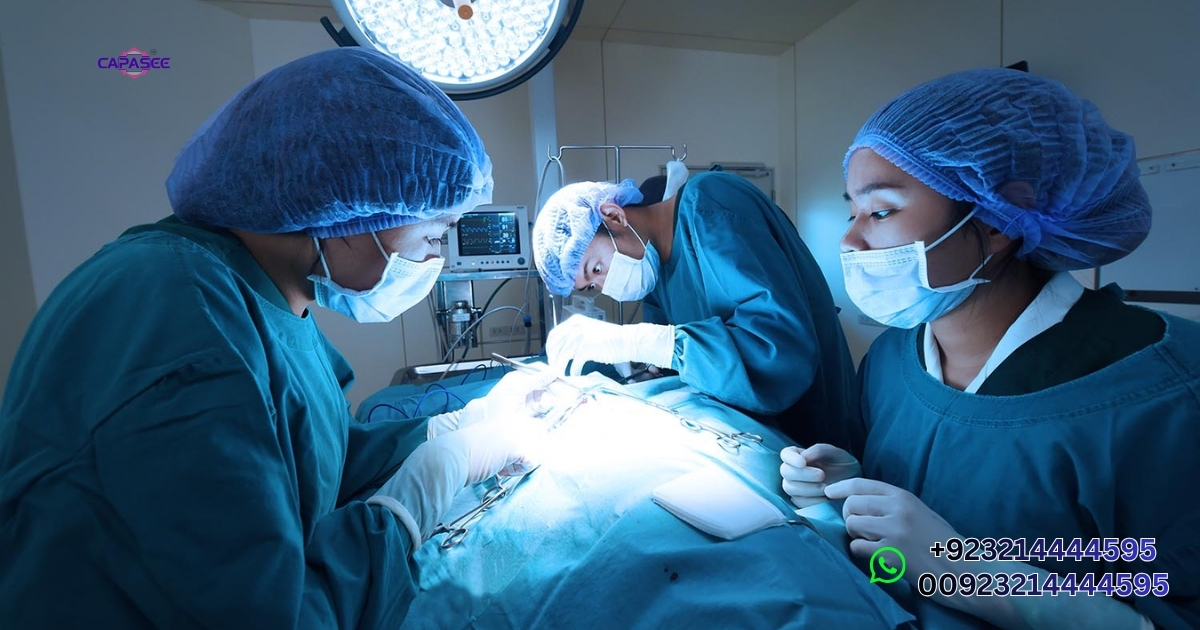
The Capasee stabilizer for laparoscopic equipment offers measurable power protection benefits for your laparoscopic system beyond that of simple power protection. Installing Capasees in operating theatres at hospitals around Pakistan has resulted in reduced equipment maintenance expenses, fewer unplanned incidents of equipment downtime, and better consistency in surgical workflow with a stabilizer for laparoscopic equipment.
Finances are simple. The price of a single camera replacement ranges from PKR 800,000 to PKR 2,500,000, which also depends on the brand and model. By contrast, a Capasee medical grade stabilizer for laparoscopic equipment is much cheaper and will avoid many of the failures that can cause these replacement costs. In most hospitals, this ROI comes in the first year of usage.
Extended Lifespan of Expensive Laparoscopic Towers and Light Sources
Power that is consistent and regulated directly helps to extend the life of the laparoscopic towers and high intensity lights. Such devices have xenon or LED light engines and precision optical components, which will deteriorate with voltage stress. Power is stable, keeping thermal loads within design specifications and avoiding premature component failure with the help of a stabilizer for laparoscopic equipment.
A biomedical engineering team at TCH Islamabad recorded a 40% reduction in light source replacement cycles following the medical grade voltage regulation. This stabilizer for laparoscopic equipment saved money in the first eight months just by reducing the number of replacement consumables used and the number of technician calls.
Preventing Mid Surgery Power Failures and Patient Safety Risks
Loss of power during the laparoscopy is a major complication in surgery. Even for a short period of time, the loss of visualization can cause confusion for the surgical staff and lead to complications during surgery. A Capasee stabilizer for laparoscopic equipment systems with automatic voltage correction and emergency cut off protection prevents interruptions from reaching the surgical instruments.
The top priority for medical equipment is patient safety. The biomedical team of a hospital that used Capasee stabilizer for laparoscopic equipment units in all three of their laparoscopes in Faisalabad reported no surgical interruptions of any type during a 12 month period due to equipment issues. The result is a clear message about the need for dedicated power protection in surgical areas.
Frequently Asked Questions
What is the best voltage stabilizer for laparoscopic equipment in Pakistan?
For use in laparoscopic equipment in Pakistan, the most suitable stabilizer is a medical grade with a voltage accuracy of plus or minus 1 per cent and a response time of less than 20 ms. Purpose built units by Capasee Electro Medical Engineering that have been tested for surgical tower applications in the Pakistani power environment.
How much does a stabilizer for laparoscopic equipment cost in Pakistan?
The price of medical equipment depends on the capacity and features of the KVA in the laparoscopic system, and medical stabilizers in Pakistan can range between PKR 35,000 and PKR 150,000. Capasee provides models of various price levels and includes full installation and after sales biomedical support.
Can laparoscopic instruments work without a voltage stabilizer?
Yes, but it is very dangerous to use laparoscopic equipment in Pakistan without a stabilizer. The frequent voltage fluctuations and power surges are common in Pakistani cities, which can damage the camera, light sources and processors in months without any repair cost being more than the precautionary measures.
What capacity stabilizer is needed for a laparoscopic tower?
It is recommended that 5 KVA be used for a complete laparoscopic tower system, surgical monitor, insufflator, camera unit and light source. If you have more OT configurations running in parallel at the same time, Capasee can evaluate the load requirement and provide an appropriate capacity.
Does Capasee Electro Medical Engineering provide stabilizers for all laparoscopic brands?
Yes, Capasee Electro Medical Engineering is a supplier of stabilizers that are compatible with all major laparoscopic equipment brands working in Pakistani hospitals. The units can be used in any type of laparoscopic tower, irrespective of the manufacturer, which makes them an excellent option for a hybrid setup with different manufacturers.
How do I know if my hospital needs a medical grade stabilizer for laparoscopy?
If your hospital is suffering from regular voltage drops, breakers that trip or flicker, OT monitors or odd equipment issues during surgery, then it’s time for a medical grade stabilizer. Capasee Electro Medical Engineering provides a complimentary technical consultation to biomedical teams to evaluate their existing power protection solution and determine the gaps.
Conclusion
A voltage instability is a serious threat to the hospitals in Pakistan as well as to the laparoscopic equipment, and the cost is not just repairs but also the health of the patients. A stabilizer for laparoscopic equipment is a device that acts as a safety belt for your investment in surgery by prolonging the life of the equipment and, most importantly, keeping your operating theatre running in case of emergency at the moment of need.
By using the information in this article, you will be able to make smarter procurement decisions and will avoid equipment failures that will cause delays in surgical schedules and increase maintenance budgets with the support of a stabilizer for laparoscopic equipment.
Call Capasee Electro Medical Engineering and get professional advice on the stabilizer for laparoscopic equipment solutions that is best suited to your hospital. Your surgical instruments are supposed to work in the environment in which they are used, and they should be protected by power protection that also does.